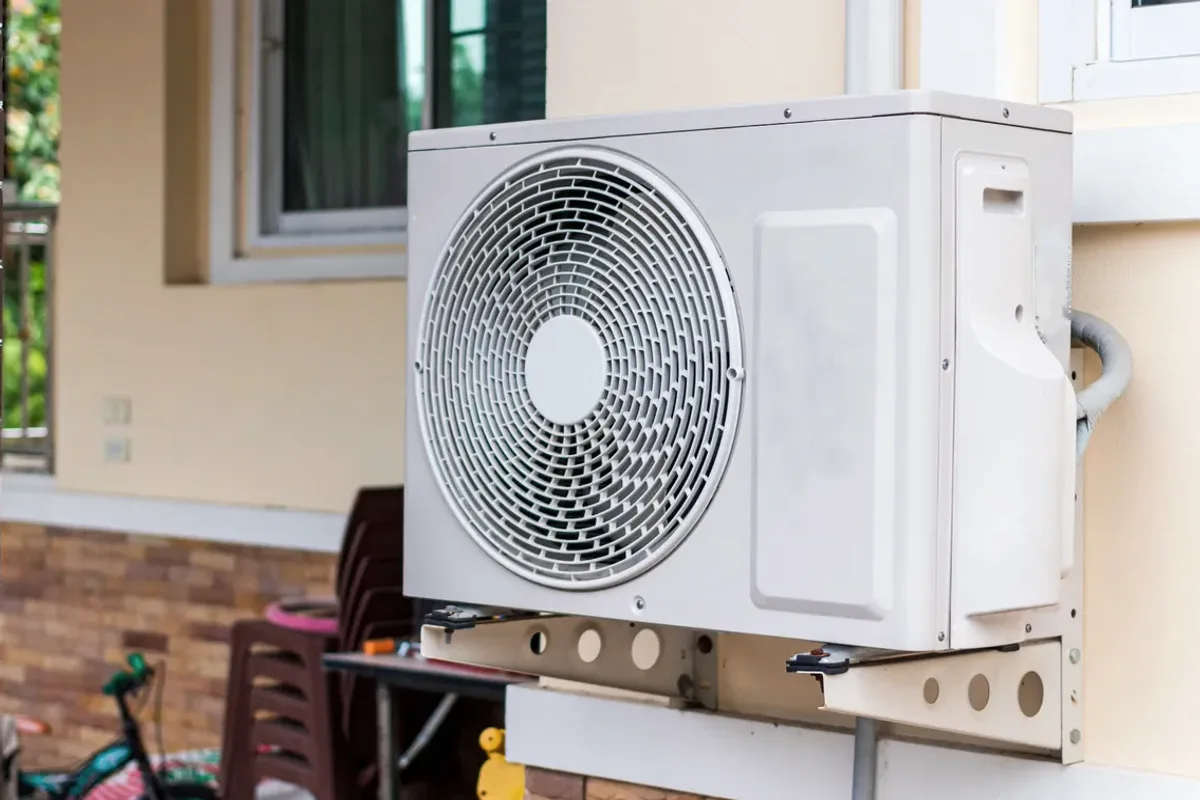
Request heat pump repair & installation for a property in Woodstock. Include the equipment, the problem or planned work, and your location so the request can be reviewed.
Does the fault occur in heating, cooling, or defrost operation, and has the system displayed a code or changed its sound?
A heat pump that struggles to heat, cools unevenly, or runs with an unusual sound needs diagnosis before parts or replacement equipment are considered. Refrigerant-circuit, electrical, airflow, and defrost faults can produce overlapping symptoms. If replacement is under consideration, the system's heating and cooling duties, existing distribution, and equipment compatibility shape the installation scope. A service request can identify the model, operating mode, symptoms, and recent changes.
Record the operating mode, timing, displayed code, and whether airflow or comfort changed throughout the served area. Inspection and measurements of electrical operation, refrigerant conditions, and defrost behavior help distinguish faults that look alike. For installation, existing equipment information and the home's distribution and electrical arrangements affect sizing and compatibility. Repair and replacement remain separate choices guided by the findings.
Electrical, refrigerant, airflow, and defrost fault diagnosis
Model-specific heat pump inspection and maintenance
Replacement selection and installation compatibility
Assessment and Scope
Questions for the Proposed Work
01
Use operating measurements to locate the fault
A heat pump that does not heat or cool as expected may have an airflow, electrical, refrigerant, or control problem. Defrost behavior is another important observation when a fault occurs during heating operation. Measurements and model-specific diagnostic procedures help identify the source rather than relying on a symptom or swapping parts by guesswork. Refrigerant and internal electrical checks are not homeowner tasks.
02
Base maintenance on the equipment and findings
Inspection may include filters, coils, electrical connections, refrigerant operation, and the defrost cycle, as applicable to the model. Manufacturer instructions determine maintenance requirements, while visible condition and test results identify any repair work. A maintenance visit is not a substitute for diagnosing a reported fault. If inspection reveals an abnormal control or electrical condition, it should be investigated before normal operation is assumed.
03
Define replacement scope before selecting equipment
A replacement assessment considers the system's condition, heating and cooling requirements, existing air distribution, and compatibility with available equipment. A history of repeated faults can inform the discussion, but does not alone establish that replacement is the right choice. Installation planning also depends on the existing electrical and equipment arrangement. A repair may remain suitable when a specific fault is identified and the system is otherwise serviceable.
Compare the next step
Have the room imbalance documented before selecting a replacement heat pump. Ask how the proposed distribution, zones, and controls address that pattern and what existing deficiencies remain outside the scope. Calculated equipment capacity should be connected to a practical heat-delivery plan for the affected spaces.
Cold-climate capability does not prove that one model covers every home heating load. Ask how the selected equipment and supplementary heat meet the actual design requirements.