Request furnace repair for a property in Woodstock. Include the equipment, the problem or planned work, and your location so the request can be reviewed.
What observations help distinguish an ignition fault from an airflow, control, or venting problem?
A furnace that will not start, produces unusual sounds, or leaves some rooms cooler may have an ignition, airflow, control, or combustion fault. The right repair depends on the furnace type and on measured evidence, not the symptom alone. For a high-efficiency condensing model, venting and condensate drainage may also be relevant; other models have different combustion and venting arrangements. A service request can describe the symptoms and equipment so the required assessment is clearer.
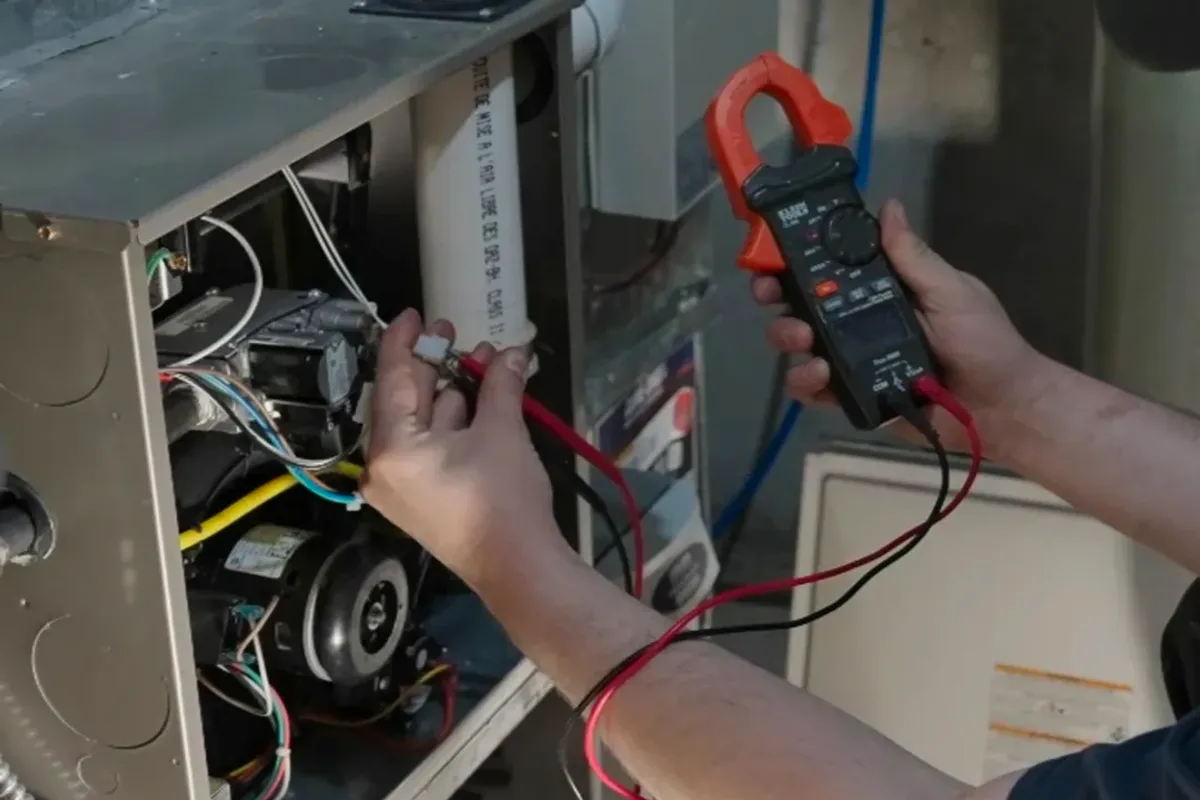
Record when the problem began, whether the furnace starts and then stops, any displayed fault code, and which rooms are affected. Model information and maintenance records help identify the correct diagnostic procedure. Instrument readings can distinguish an ignition or sensor fault from pressure, electrical, airflow, or combustion concerns, and help determine whether repair or replacement merits consideration.
Ignition, flame sensing, pressure, and safety-control diagnosis
Airflow, filters, burners, and furnace maintenance findings
Repair or replacement assessment for standard and condensing furnaces
Assessment and Scope
Questions for the Proposed Work
01
Separate ignition faults from operating faults
A furnace that does not fire may have an igniter or flame-sensing fault, while a running unit that shuts down can point to airflow, pressure-switch, or safety-control conditions. Combustion readings, electrical measurements, and pressure tests help identify which part of the operating sequence is failing. The distinction matters because replacing a suspected part without testing can leave the underlying fault unresolved.
02
Use inspection findings to guide maintenance
Maintenance findings may include restricted airflow, dirty filters, burner condition, flame-sensor deposits, or a control that is not responding as specified. The applicable checks depend on the furnace design and manufacturer instructions. If inspection identifies a blocked vent or a safety-control concern, that finding calls for investigation rather than routine cleaning or adjustment alone. Maintenance and repair are separate decisions based on the observed condition.
03
Compare repair with replacement on evidence
A repair decision can account for the failed component, the furnace's condition, the availability of a suitable part, and whether other faults are present. For a high-efficiency furnace, the inspection may include its condensate and venting arrangements; older designs differ. Replacement becomes a separate option when the assessment indicates extensive deterioration or recurring faults, rather than an automatic response to one failed component.
Compare the next step
Record the difference between comfortable and cold rooms during the same heating period. Ask whether the assessment points to appliance output, air distribution, controls, or room heat loss. Compare targeted corrections with replacement using the same room-level observations rather than assume nominal furnace size determines every temperature difference.
Leave burner, fuel, venting, electrical, and internal equipment work to a qualified contractor. Do not bypass a safety switch or repeatedly reset a furnace.